Innovations in Cerebral Palsy Care
- garvitguptaxcv99
- Feb 17
- 3 min read
Updated: Feb 27
Early and More Accurate Diagnosis
Early intervention is key to managing cerebral palsy. New imaging techniques and genetic testing have improved the ability to diagnose CP sooner and with greater precision.
Advanced MRI scans now provide detailed views of brain structure and function. These scans help identify subtle brain injuries or malformations linked to CP.
Genetic testing can detect mutations that may contribute to CP symptoms, allowing for personalized treatment plans.
Machine learning algorithms analyze medical data to predict CP risk in newborns, enabling earlier therapy.
Earlier diagnosis means therapies can start during critical periods of brain development, improving outcomes.
Improved Physical Therapy with Technology
Physical therapy remains a cornerstone of CP care. Recent tools enhance therapy effectiveness and patient engagement.
Robotic exoskeletons assist patients in practicing walking and balance. These devices support weak muscles and encourage correct movement patterns.
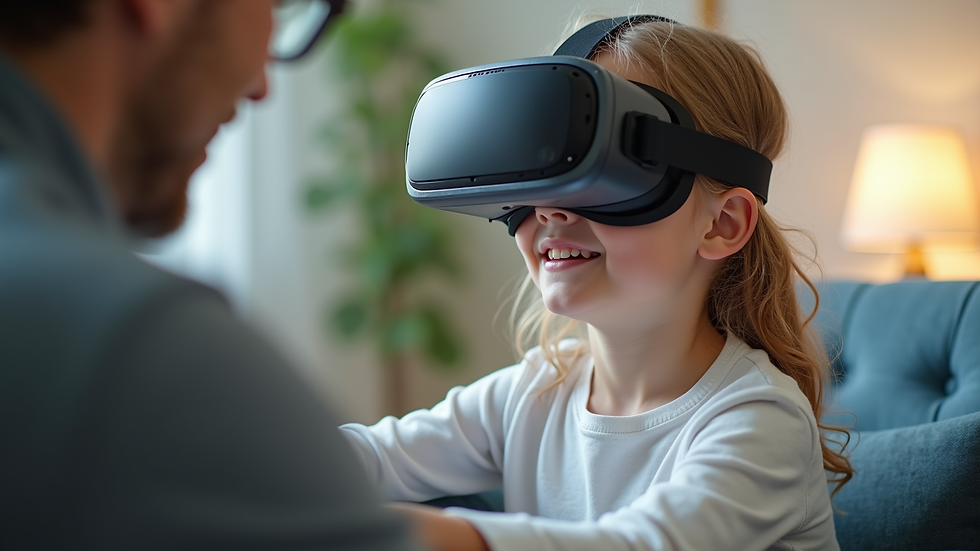
Virtual reality (VR) creates interactive environments for motor skill training. VR games motivate children to perform exercises that improve coordination.
Wearable sensors track movement and muscle activity in real time. Therapists use this data to tailor exercises and monitor progress.
These technologies make therapy more precise, measurable, and enjoyable.
Advances in Medication and Surgery
Medication and surgical options have evolved to better address muscle stiffness, spasms, and other CP symptoms.
Botulinum toxin injections reduce muscle spasticity by temporarily relaxing tight muscles. New formulations last longer and have fewer side effects.
Selective dorsal rhizotomy (SDR) is a surgical procedure that cuts nerve fibers causing spasticity. Improved imaging guides surgeons to target nerves more accurately, reducing complications.
Stem cell therapy is under investigation for repairing damaged brain tissue. Early clinical trials show potential for improving motor function, though more research is needed.
These treatments help patients gain greater mobility and comfort.
Personalized Care Through Data and AI
Data-driven approaches are transforming how doctors manage cerebral palsy.
Electronic health records (EHRs) collect detailed patient histories, enabling coordinated care across specialists.
Artificial intelligence (AI) analyzes large datasets to identify patterns in treatment responses. This helps doctors choose the most effective therapies for each patient.
Telemedicine platforms allow remote monitoring and consultations, increasing access to specialists for families in rural areas.
Personalized care plans based on data improve treatment effectiveness and patient satisfaction.
Supportive Technologies for Daily Living
Beyond medical treatment, new devices help people with CP live more independently.
Adaptive communication tools use eye tracking and speech recognition to assist those with speech difficulties.
Smart home devices can be controlled by voice or movement, making daily tasks easier.
Customized mobility aids such as lightweight wheelchairs and adjustable walkers improve comfort and usability.
These technologies empower patients to participate more fully in everyday activities.
Looking Ahead
Research continues to push the boundaries of what is possible in cerebral palsy care. Combining early diagnosis, advanced therapies, and personalized support creates a more hopeful future for patients and families. Staying informed about new developments can help caregivers advocate for the best care options.
If you or a loved one is affected by cerebral palsy, consider discussing these emerging treatments with your healthcare provider. Exploring new therapies and technologies may open doors to improved mobility, communication, and quality of life.
Conclusion
In conclusion, the landscape of cerebral palsy care is evolving rapidly. With advancements in technology and a focus on personalized treatment, we can expect significant improvements in the lives of those affected by this condition. Embracing these innovations is essential for enhancing patient outcomes and fostering a supportive environment.
For more information on the latest research and developments in cerebral palsy care, visit TechnoMed Journals.


Comments